
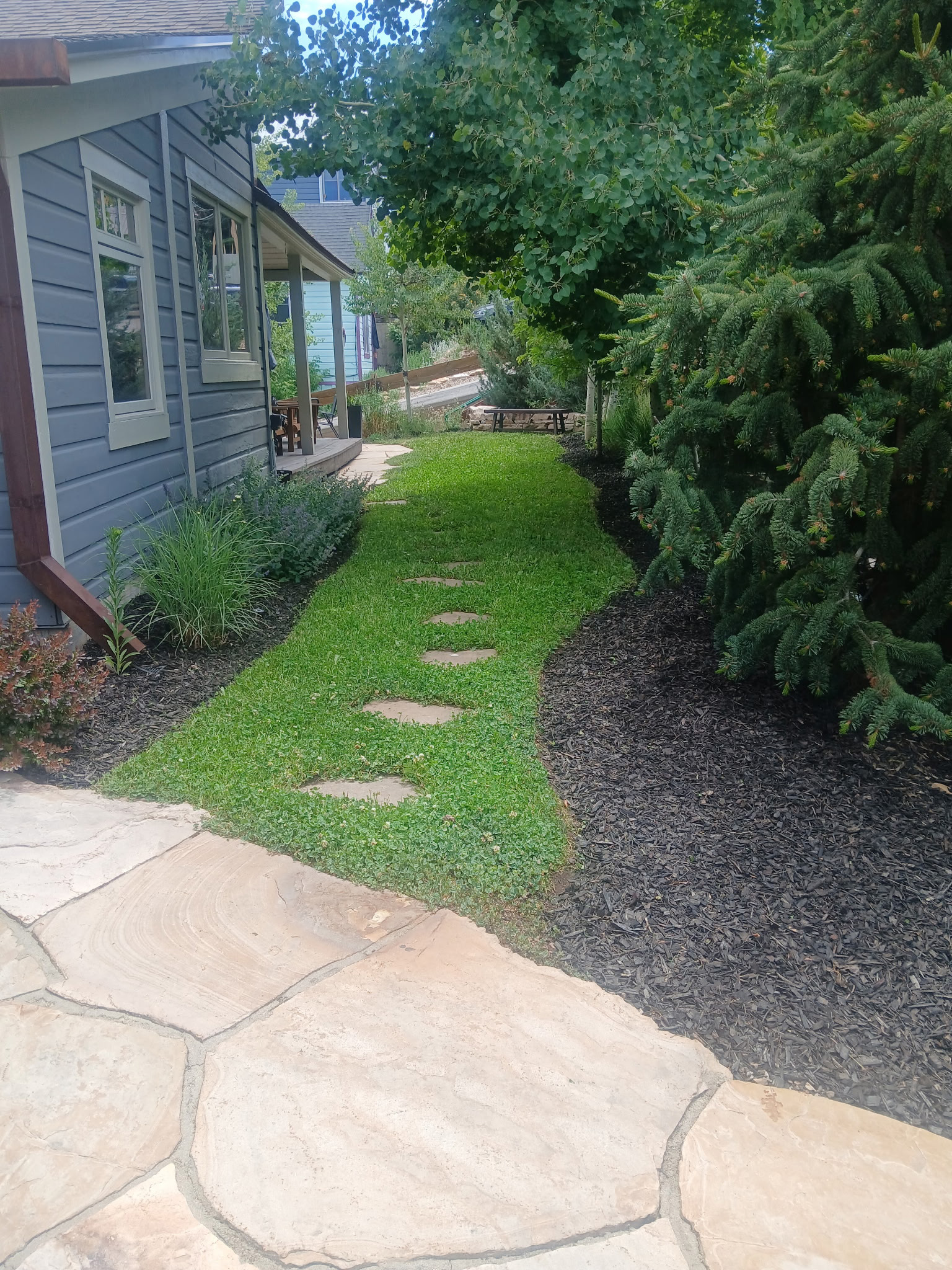
As water prices continue to rise in Park City, Utah, many homeowners are searching for low-water lawn options that still keep their property looking green and well maintained. Traditional turf grass requires frequent watering, fertilizer, and mowing—making it both expensive and labor intensive in a mountain climate.
One increasingly popular solution is custom landscape design that converts portions of a lawn to clover. Clover lawns provide a beautiful green ground cover while requiring significantly less water and maintenance than traditional grass.
For homeowners interested in drought-tolerant landscaping in Park City, clover can be an excellent alternative—especially in areas that don’t experience heavy foot traffic.
Why Clover is Becoming a Popular Lawn Alternative in Park City
As communities throughout Utah focus on water conservation and sustainable landscaping, clover is gaining attention as one of the best Park City lawn alternatives.
Unlike traditional turf grass, clover:
- Requires far less irrigation
- Suppresses weeds naturally
- Does not require chemical fertilizers
- Needs minimal mowing
- Costs less to establish than many turf grasses
- When installed strategically, clover can help homeowners reduce water bills while still maintaining a lush green landscape.
Advantages of Converting Grass to Clover in Park City
- Significantly Lower Water Usage
- Traditional lawns often require frequent irrigation during Park City’s dry summer months. Clover is naturally drought tolerant and can remain green with far less watering.
- Once established, clover typically only needs watering about once per week, making it one of the most attractive low-water lawn options for Park City homes.
- For homeowners trying to reduce irrigation costs or comply with water-conservation efforts, clover can be a practical solution.
Ideal for Low-Traffic Lawn Areas
Many homes have areas of lawn that are rarely used—such as:
- Side yards
- Sloped sections of property
- Areas between trees
- Decorative lawn areas
These spaces still require mowing and watering, even though they are rarely used. Clover provides a green ground cover solution for these areas without the heavy maintenance of turf grass. Making use of water-saving sprinkler systems is a convenient way to ensure the clover receives the right amount of water automatically.
Naturally Suppresses Weeds
Clover spreads aggressively and grows densely, which helps crowd out common lawn weeds like dandelions and other invasive plants. Because of this natural growth pattern, clover lawns often require little or no herbicides, making them more environmentally friendly softscapes and an excellent choice.
- No Chemical Fertilizers Required
- Clover is a nitrogen-fixing plant, meaning it pulls nitrogen from the air and adds it back into the soil.
This natural process means clover typically does not require chemical fertilizers, which can reduce landscaping costs while also improving soil health over time.
Minimal Mowing Requirements
Traditional grass lawns in Park City may require mowing weekly during the growing season. Clover grows lower and slower, meaning it only needs mowing occasionally. Most homeowners find they only mow a clover lawn two to three times per year, depending on their preferred appearance.
Seasonal Flowering
Clover typically produces small white flowers once per year. These blooms can add seasonal interest to your landscape while also supporting local pollinators such as bees and butterflies.
Lower Installation Cost
Clover seed is often slightly less expensive than traditional grass seed, making it a cost-effective option for homeowners looking to convert larger lawn areas.
Potential Disadvantages of Clover Lawns
- While clover offers many advantages, it’s not the perfect solution for every part of your yard.
- Not Ideal for High-Traffic Areas
- Clover does not tolerate heavy foot traffic as well as traditional turf grass.
- Areas where children play, pets run frequently, or people walk often are usually better suited for traditional lawn grass or reinforced turf varieties.
For this reason, many homeowners choose a hybrid landscaping approach, keeping grass in high-use areas while converting less-used sections to clover.
Requires Edge Maintenance
Because clover spreads easily, it may grow into nearby flower beds or landscaped areas.
To keep clean borders around planting beds and landscape features, clover areas typically require regular string trimming along edges, usually about once per week during the growing season. A professional lawn care service will be able to keep clover at the right hight and maintain the edging.
A Smart Landscaping Strategy: Mixed Lawns
For many Park City homes, the best solution is not replacing the entire lawn, but strategically converting select areas.
Common areas where clover works well include:
- Sloped landscapes
- Side yards
- Decorative green areas
- Large lawns that are rarely used
By combining grass and clover strategically, homeowners can reduce water use while maintaining a functional landscape.
Considering Clover as a Lawn Alternative in Park City?
If you are looking for drought-tolerant landscaping in Park City or ways to reduce your irrigation costs, converting certain lawn areas to clover can be a smart solution.
The team at Park City Landscaping can help evaluate your property and recommend the best low-water lawn solutions for your yard, soil conditions, and usage needs.
Contact us today – (435) 714-9290 – to learn more about clover lawn conversions and water-efficient landscaping options in Park City.
Frequently Asked Questions About Clover Lawns
Is clover a good lawn alternative in Park City?
Yes. Clover is one of the most effective low-water lawn alternatives in Park City because it requires less irrigation, fertilizer, and mowing than traditional turf grass.
How often does a clover lawn need to be watered?
Once established, clover lawns typically only require watering about once per week, depending on weather and soil conditions.
Does clover attract bees?
Clover produces small white flowers that attract pollinators like bees and butterflies. Some homeowners choose to mow before flowering if they prefer fewer pollinators in lawn areas.
Can clover replace grass completely?
It can, but many homeowners choose a mixed lawn approach, keeping grass in high-traffic areas and converting less-used sections to clover. An expert local company providing professional landscaping in Park City can inspect the property and develop the right approach.
Is clover cheaper than grass?
Yes. Clover seed is often slightly less expensive than traditional turf grass seed, and the long-term maintenance costs are typically lower due to reduced watering, mowing, and fertilizer use.
Will clover spread into flower beds?
Clover spreads easily, so it may creep into nearby planting beds. Regular edging or weekly string trimming helps keep clover contained.
Contact Park City Landscaping today to see if a clover conversion is a good option for your home.